
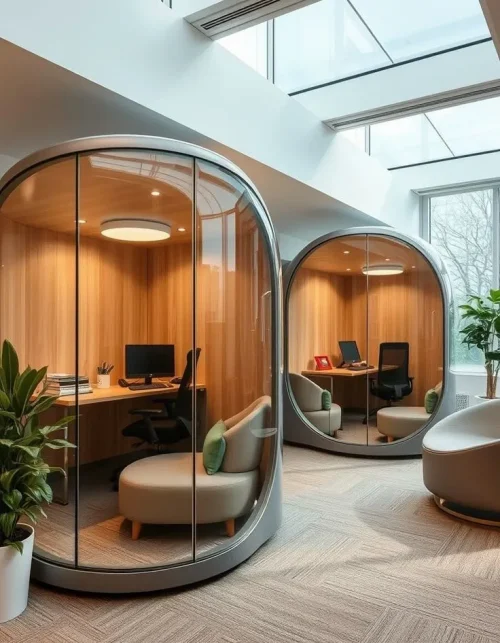
Multi-Functional Spaces: Smart Architecture for Today and Tomorrow
The Philosophy of Designing Multi-Functional Spaces
Multi-functional spaces are a forward-thinking solution to meet the complex needs of modern cities.
- Structural Flexibility: Movable walls, transparent partitions, and modular floors allow rapid changes in functionality.
- Visual Fluidity: Combining natural light, semi-transparent surfaces, and dynamic circulation paths softens boundaries between spaces, making them adaptable.
- Dynamic Identity: Each square meter can serve multiple purposes throughout the day: a workspace in the morning, an art gallery in the afternoon, and a social area in the evening.
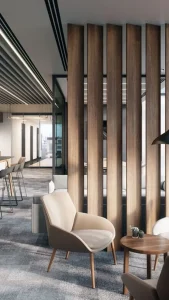
Functions and User Experience
A notable example is a cultural hall that hosts educational classes in the morning, yoga sessions in the afternoon, and social events in the evening. This flexibility:
- Increases the economic efficiency of the space.
- Enriches user experience and fosters a sense of community.
- Reduces the need for separate buildings for each function.
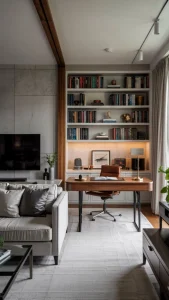
Sustainability and Green Architecture
Designing multi-functional spaces aligns with sustainable architectural principles:
- Using fewer materials and intelligent energy management reduces the carbon footprint.
- Utilizing recycled materials and smart ventilation systems achieves both aesthetic appeal and environmental responsibility.
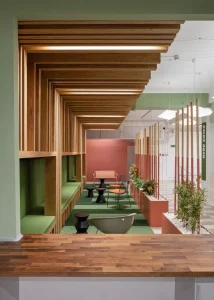
Design Challenges and Solutions
- Smart Acoustics: Audio systems must be adjustable to maintain sound quality for different functions.
- Scalable Technology: Lighting and ventilation systems should adapt to changing space usage.
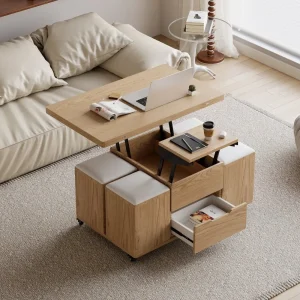
- Modular Furniture: Lightweight, multi-purpose furniture enables quick reconfiguration.
The Future of Multi-Functional Spaces
The rise of digital lifestyles, remote work, and new social interaction needs is making multi-functional spaces a universal architectural language. Buildings that can instantly transform from workplaces to cultural or residential spaces are no longer optional—they are a necessity for the cities of the future.
Conclusion
Multi-functional spaces are more than a solution to limited space; they are an architectural statement about the future of urban living. Contemporary architecture for tomorrow’s life must be flexible, sustainable, and user-centered—qualities that are perfectly embodied in multi-functional spaces.